
Here's how to defend yourself against negative reviews on Booking
April 9, 2025
Defending against negative reviews on Expedia: the complete guide for hoteliers
April 12, 2025
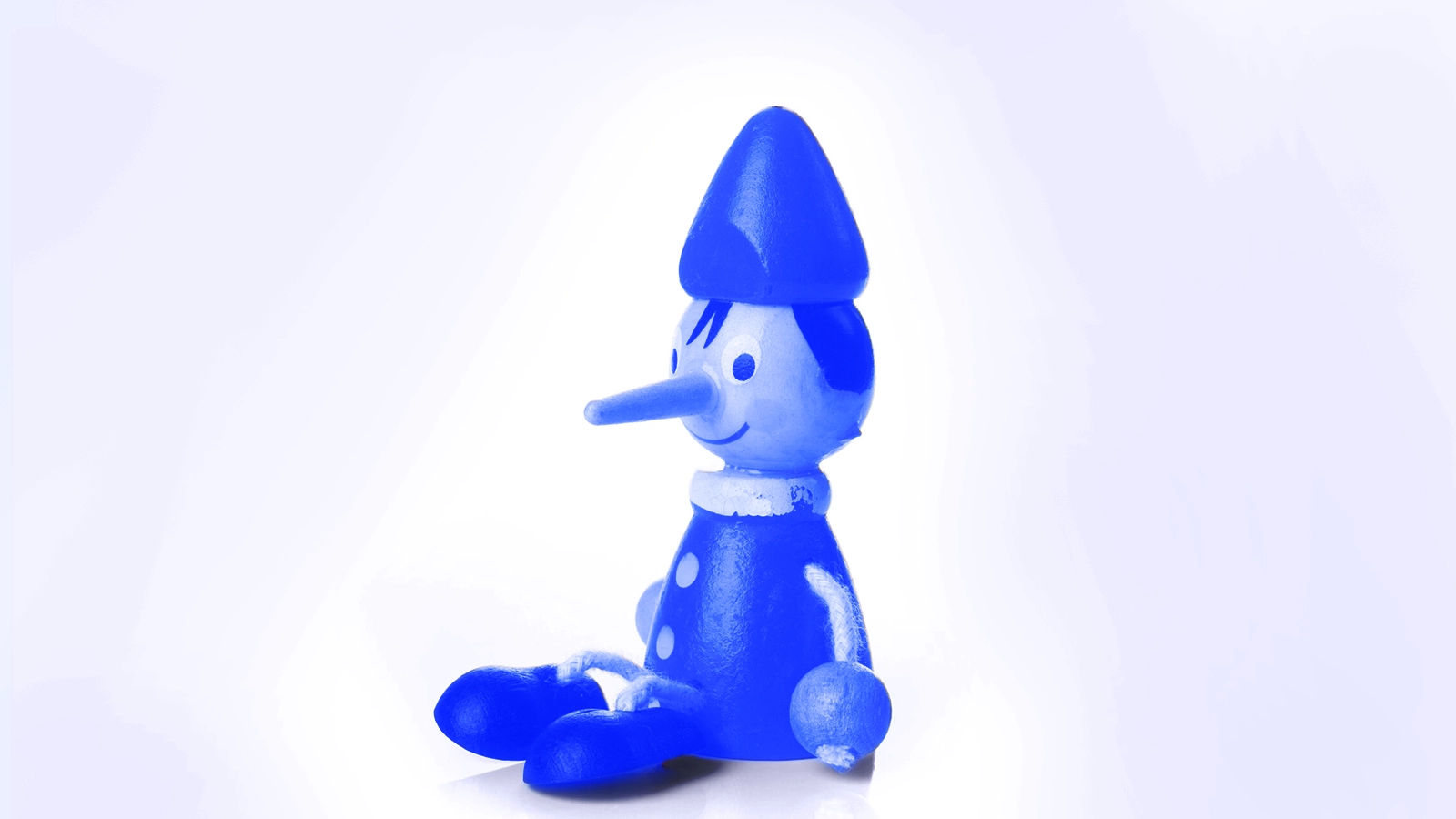
Dear fellow hoteliers, how many times have you happened to read a review about your hotel and think, "But this was never my customer!"? Unfortunately, in today's digital world, fake reviews are a growing problem. But did you know that in many cases these reviews are not only annoying, but even illegal?
Let's shed light together on this sensitive topic, because knowing your rights can make all the difference in protecting your facility's reputation.
Warning: not all criticism is defamation
It is important to make a fundamental distinction. A negative but truthful review, even if harsh, does not constitute a crime. If a customer was genuinely disappointed with his or her stay and expresses it in a civil manner, however unpleasant it may be for us, that is part of the game.
The problem arises when the claims are blatantly false or exaggerated, with the obvious intent to harm us. It is this combination of falsehood and bad faith that turns simple criticism into wrongdoing.
When a bad review becomes a crime
Imagine this scenario: a user writes that in your hotel he found bugs in the bed, the bathroom was dirty, and the staff was rude. Too bad that your cameras show that this person never crossed the threshold of your hotel. Lo and behold, this is no longer a simple criticism, but could amount to online defamation.
Italian jurisprudence, with rulings such as Criminal Cassation No. 4873/2017, has clarified that fake online reviews fall under aggravated defamation precisely because of their ability to reach a potentially unlimited audience. Those found guilty of this offense face up to three years' imprisonment and a fine of up to 2,065 euros, in addition to the obligation to pay compensation for the economic and moral damage caused.
Not just defamation: the other legal risks
If you discover that those fake reviews are coming from a competitor trying to harm you, you could be facing a case of unfair competition. Or, if someone creates fake profiles specifically to attack you, the crime of wire fraud could be triggered.
And what about those cases in which a dissatisfied former customer starts a full-fledged smear campaign, with barrage of negative reviews? In extreme situations, this could even amount to the crime of stalking.
How to concretely defend yourself
Now, the question you may be asking is, what can I do concretely if I am in this situation?
First of all, keep calm and document everything. Take screenshots of the review, check your records to see if the person was really your guest. Then, report the review to the platform(Google, TripAdvisor, etc.) providing evidence of its falsity.
If the damage is substantial, it is worth consulting a lawyer. There are several options: one can seek removal of the review by court injunction, initiate a civil suit for damages, or, in more serious cases, file criminal charges.
Practical difficulties to be known
Unfortunately, not everything is as simple as it seems. One of the biggest obstacles is identifying the author of the review, who is often protected by the anonymity of the Web. In addition, legal proceedings can be lengthy and expensive.
That is why, in most cases, the best strategy is to combine several approaches: reporting to the platforms, professional response to the review (to prove your bona fides to other readers) and, only when really necessary, stronger legal actions.
Practical tips for your facility
Here's what I recommend you do:
- Monitor regularly your reviews
- Always respond professionally, even to criticism
- Keep accurate records Of your guests (with respect for privacy)
- Create a system to collect authentic reviews from satisfied customers
- In case of clearly false reviews, act promptly
Tools for managing reviews intelligently
In addition to legal tools, technology can become a valuable ally in identifying and thwarting fake reviews. Here are a few.
Google Reverse Image Search, allows you to upload a photo and find out if it has been used elsewhere online, perhaps stolen from other profiles or websites. There are also more specialized tools such as TinEye and RevEye, which analyze images to detect duplicates or alterations, especially useful when you suspect someone has manipulated photos to damage your hotel's reputation.
Rebyu is software designed to analyze reviews and help you respond professionally and strategically. Using a prompt written by hospitality, marketing and communications experts, Rebyu suggests balanced and compelling responses, turning potential criticisms into opportunities to demonstrate service quality. You can activate a 7-day free trial without having to enter your credit card information. It's an easy way to test how this tool can help you protect and improve your facility's reputation.
Conclusion
Fake reviews can have a devastating impact on a hotel business, but the law offers tools to defend yourself. Documenting the facts, reporting fraudulent reviews and, if necessary, taking legal action are crucial steps to protect your reputation and obtain possible compensation.